
3-Wheel vs 2-Wheel Kids Scooter: Which One Should You Buy?
If you’ve ever browsed kids’ scooters online, you’ve probably asked yourself: “Should I get a 3-wheel or a 2-wheel scooter?” It’s one of the most common questions parents ask—and one of the most important.
The short answer:
- 3-wheel scooters = stability + confidence for beginners
- 2-wheel scooters = speed + agility for experienced riders
But let’s break it down properly so you can make the best choice for your child.
How Each Type Works
3-Wheel Scooters
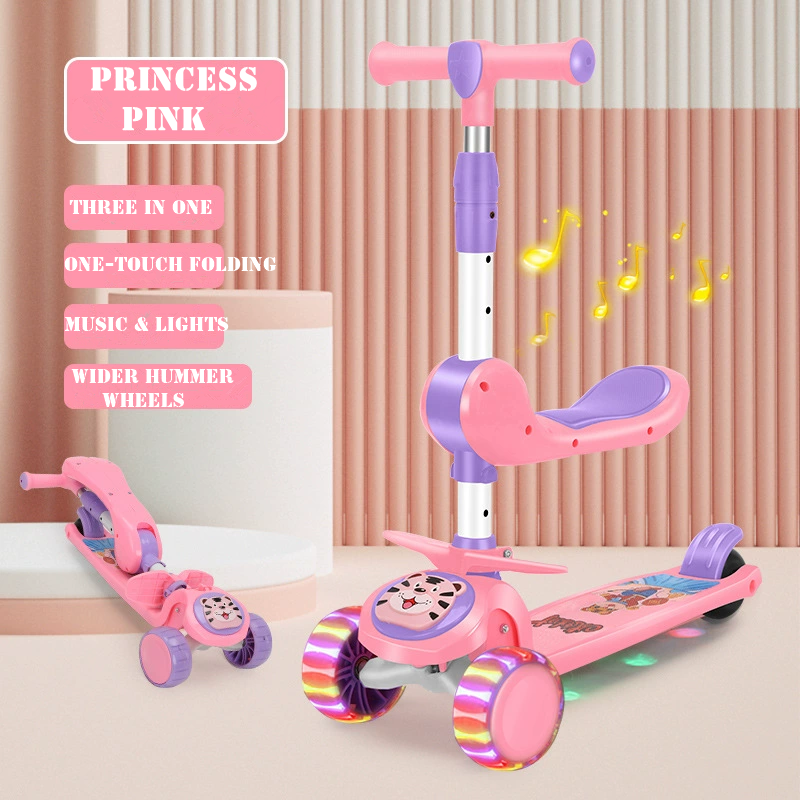
These typically come with two wheels at the front and one at the back. Instead of twisting handlebars sharply, children lean their body left or right to steer—a system called lean-to-steer. This mimics how they naturally shift weight when walking or running, making it intuitive for toddlers.
2-Wheel Scooters
These look like adult kick scooters, just smaller. Steering happens by turning the handlebars, much like riding a bicycle. They demand more balance and coordination, which is why they suit older or more experienced kids.
Stability vs Speed
Three-wheel models are inherently more stable because of their wider front base. Even if your child leans too far, the scooter is less likely to tip. That’s why pediatric occupational therapists often recommend 3-wheelers for developing gross motor skills.
Two-wheelers, by contrast, sacrifice some stability for speed and maneuverability. They feel sportier and are better for kids who want to zip around the neighborhood or try basic tricks.
When to Start with 3 Wheels
Most children between ages 2 and 5 benefit from starting on a 3-wheel scooter. At this stage, balance systems are still developing. A 3-wheel design lets them focus on pushing off and steering without constantly worrying about falling sideways.
If your child is:
- Just learning to ride a balance bike
- Nervous about wheels
- Still refining coordination
…a 3-wheel scooter is almost always the better choice.
When to Switch to 2 Wheels
There’s no fixed age, but many kids transition between ages 5 and 7, depending on confidence and physical development. Signs your child might be ready include:
- Comfortably rides a pedal bike without training wheels
- Balances easily on one foot
- Outgrows the lean-to-steer movement and wants sharper turns
Some families keep both types—a sturdy 3-wheeler for casual sidewalk cruising and a 2-wheeler for park adventures.
Safety Considerations
Regardless of wheel count, safety depends on:
- Proper helmet fit
- Supervision in traffic-free zones
- Regular checks for loose screws or worn wheels
That said, 3-wheel scooters reduce the risk of sudden wipeouts simply because they’re harder to tip. For parents whose #1 concern is safety, this peace of mind matters.
Parent Feedback We Hear All the Time
“My 3-year-old tried a 2-wheeler and gave up after five minutes. Switched to your 3-wheel foldable scooter and now she won’t stop riding.”
This pattern repeats across hundreds of families. Confidence builds quickly once a child feels stable.
Our Recommendation
If you’re unsure, start with a high-quality 3-wheel foldable scooter. It’s the safest, most versatile option for toddlers and preschoolers. As your child grows and gains skill, you can graduate to a 2-wheel model without regrets.